
Immune-mediated blood diseases turn dangerous fast because the body's own defenses destroy red cells or platelets far quicker than new ones can be made. In dogs and cats with immune-mediated hemolytic anemia (IMHA), red blood cells are the target, and organs are left short of oxygen. With immune-mediated thrombocytopenia (IMTP), platelets are destroyed instead, so blood loses its ability to clot and bruising or bleeding shows up. Some cases follow an outside trigger such as a tick-borne infection, a medication, or a hidden cancer, and others have no clear cause, but either one can take your pet from mildly off to critically ill in a couple of days. Both are also treatable, usually with a steroid and often a second immune-suppressing drug to stop the attack, plus supportive care while the body rebuilds, and starting that early is a large part of how these cases go.
Cobb & Co. Veterinary Clinic in Elgin keeps room for urgent and same-day appointments six days a week, and if your pet is suddenly tired, has pale or yellow gums, is passing dark urine, or is bruising, that is the visit to ask for. Our in-house lab, digital X-ray, and ultrasound let us check red cell and platelet numbers and look for a cause such as a tick-borne infection or cancer, and we keep sick pet visits low-stress when your pet already feels awful. Give us a call before you come in so we can be ready.
IMHA and IMTP: What Matters Most
- IMHA destroys red blood cells and IMTP destroys platelets, and both outrun what the bone marrow is able to rebuild.
- Pale or yellow gums, sudden tiredness, dark urine, unexplained bruising, and pinpoint red spots on the belly all belong in the same-day column.
- Many cases are set off by something else: an infection, a drug, or a tumor nobody knew about, and finding that driver changes the treatment plan.
- Most pets treated early respond well to a steroid plus supportive care, and year-round tick prevention removes one of the most common triggers.
Why Would a Pet's Immune System Attack Their Own Blood Cells?
Immune-mediated diseases start when the immune system misreads the body's own cells as invaders and marks them for destruction, and in IMHA and IMTP the cells wearing that mark are red blood cells and platelets. The response isn't weak, it's aimed at the wrong target.
Where it points splits these cases into two groups. Primary disease means no trigger turns up after a careful search, so treatment goes straight at calming the misdirected response. Secondary disease means something set it in motion: an infection, a drug, a toxin, or a tumor sitting quietly somewhere. Suppressing immune function while an infection keeps feeding the fire is how pets relapse, so we look hard for a cause before calling anything primary.
What Is IMHA, and How Quickly Does It Turn Serious?
In immune-mediated hemolytic anemia, red blood cells are cleared out quicker than the marrow can restock them, so oxygen delivery to the heart, brain, and kidneys drops while a pet may still look only a little tired. Your dog skips the last block of the walk. Your cat sleeps somewhere new and ignores breakfast. The slide seems gradual right up until it isn't, and within a day or two the same pet may be panting on the floor and deeply lethargic.
What Are the Early Signs of IMHA?
Stamina goes first. Healthy gums are bubblegum pink, so pale or yellow-tinged gums, checked by lifting the lip in good light, are one of the few IMHA changes you can catch at home before a pet crashes. Faster breathing at rest, urine the color of tea or cola, and a skipped meal or two round out the list.
Cocker Spaniels, English Springer Spaniels, Old English Sheepdogs, Poodles, and Miniature Schnauzers develop this condition more often than other dogs, and middle-aged females are overrepresented. Cats get it less frequently and without a strong breed pattern. If one of those breeds sleeps at the foot of your bed, take the gum check seriously.
What Sets Off Secondary IMHA?
A secondary case has a driver behind it, and these are the ones worth ruling out first.
- Tick-borne infections: Anaplasma, Ehrlichia, and Babesia top the screening list, since they're common, treatable, and easy to mistake for primary disease.
- Other infections: Leptospirosis picked up from standing water or wildlife urine can set it off in dogs. In cats, hemotropic mycoplasma attaches to the surface of red blood cells, and the immune response that goes after the parasite destroys the cell it is riding on.
- Cancer: Lymphoma and hemangiosarcoma in dogs, and feline leukemia virus in cats, can each announce themselves first as an anemia nobody saw coming.
- Toxins, drugs, and bites: Swallowed zinc from coins or hardware, certain medications including some antibiotics, and snake envenomation can all destroy red cells directly.
Why Do Clots Form While Red Cells Are Being Destroyed?
While red blood cells are being destroyed, the clotting system swings in the opposite direction, and abnormal clot formation in the lungs is among the leading causes of death in these patients. That risk is the main reason hospitalization beats treating at home during the first days. Signs of a possible clot need attention right now, not in the morning: sudden fast, hard, or open-mouth breathing, a cough that starts out of nowhere, collapse or wobbling that wasn't there an hour ago, or a back leg that turns cold, painful, or won't hold weight. If any of that shows up in a pet already diagnosed or already under suspicion, same-day urgent care is the right call, and phoning on your way lets us prepare before you walk in.
What Is IMTP, and Why Does Bleeding Start Without an Injury?
Immune-mediated thrombocytopenia destroys platelets, the cell fragments that plug the small leaks blood vessels spring all day, so bleeding starts with no injury to explain it. Bleeding into the stomach, intestines, bladder, or brain doesn't announce itself, so a dog with nothing more than a few purple splotches on the belly can be losing meaningful volume inside.
| IMHA | IMTP | |
| Cell under attack | Red blood cells | Platelets |
| What you see at home | Gums gone pale or yellow, low energy, rapid breathing, tea-colored urine | Pinpoint spots and bruising, nosebleeds, blood where it shouldn't be |
| Main danger | Oxygen starvation, plus abnormal clotting | Uncontrolled internal bleeding |
| What we track | Red cell count and reticulocytes | Platelet count and bleeding signs |
What Does Platelet Loss Look Like at Home?
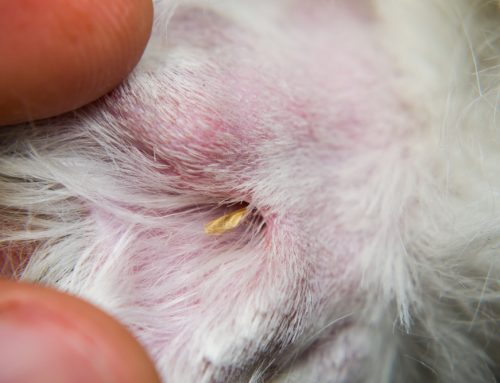
Check where fur is thin: the belly, inner thighs, gums, and whites of the eyes. Bruises with no bump behind them, pinpoint red dots called petechiae, and nosebleeds without injury are the classics, along with blood in the urine, black tarry stool, or a small nick that keeps oozing long past when it should have stopped. Cats show much less of this on the outside, so pale gums or blood-tinged stool may be all you get.
Not every bleeding pet has an immune problem. Anticoagulant rat bait causes the same bruising and bleeding and needs vitamin K rather than steroids, so tell us if there's any chance your pet reached bait, and Pet Poison Helpline can advise while you head in.
What Triggers IMTP?
About half of cases turn out to be secondary, so the hunt for a driver runs alongside treatment. Heartworm disease can drive platelet destruction as a secondary effect, one more reason a bleeding pet gets screened for infection. Tick-borne organisms, distemper virus, leptospirosis, certain medications, and cancers fill out the rest of the list.
A small number of cases have been reported in the weeks following vaccination. It's rare, and the diseases those vaccines prevent cause far more harm. Tell us if your pet has that history and we'll factor it into future planning.
What Is Evans Syndrome?
When both attacks happen at once, veterinarians call it Evans syndrome, and treatment then has to prop up two failing systems at once, since the anemia and the bleeding recover on different timelines. These patients need the closest monitoring of the group, with frequent recheck bloodwork and medication changes while the numbers settle.
How Do Tick-Borne Diseases Fit Into IMHA and IMTP?
More than one tick-borne infection can either set off the immune attack or imitate it so well that a first blood panel can't separate the two, which is why tick-borne disease testing goes out with the first round of blood work here instead of after a treatment failure.
- Lyme disease: better known for shifting lameness and kidney trouble, it belongs on the list for any northern Illinois dog who gets sick without explanation.
- Ehrlichia and Anaplasma: these infect white cells or platelets and are classic reasons a platelet count falls off a cliff.
- Rocky Mountain spotted fever: damage to small blood vessels drops platelets quickly, and dogs can get very sick within days.
- Babesia: it infects red blood cells directly and can set off an anemia that looks identical to primary IMHA, and it spreads through bite wounds as well as through ticks.
How Do We Figure Out Which Condition Your Pet Has?
Diagnosis starts with your story and our hands: what changed and when, what your pet may have swallowed, and where they've traveled. The exam checks gum color, heart and lung sounds, belly size, and skin for bruising. In-house bloodwork and imaging often let us begin treatment during the same visit rather than waiting on an outside laboratory.
| Test | What it tells us |
| CBC with blood smear | Red cell and platelet numbers, plus cell shape and clumping under the microscope |
| Reticulocyte count | Whether the marrow is answering the loss with new red cells |
| Coombs test | Whether antibodies are stuck to red blood cell surfaces |
| Chemistry panel and urinalysis | Liver, kidney, and bilirubin changes, and pigment spilling into urine |
| Tick-borne disease screening | Whether a hidden infection set the process in motion |
| X-ray and ultrasound | Whether a tumor, an enlarged spleen, or swallowed metal is behind it |
How Are IMHA and IMTP Treated?
Treatment runs on two tracks at once: shutting down the immune attack with medication, and supporting the body while the marrow rebuilds what was lost. When a trigger is identified, that gets its own treatment alongside. No two of these cases run to quite the same script, and doses shift at every recheck. Those visits come often at first, and our team includes several Fear Free certified professionals, so the rechecks stay as low-stress as we can make them.
What Does IMHA Treatment Involve?
- Immune suppression: prednisone starts nearly every case, and a second drug such as mycophenolate, cyclosporine, or azathioprine is often added so the steroid dose can come down sooner.
- Clot prevention: low-dose aspirin or clopidogrel is standard for higher-risk patients, given how often clots drive bad outcomes.
- Supportive care: IV fluids, anti-nausea medication, and getting calories back in hold the rest of the body steady.
- Transfusion: Blood transfusions buy time rather than stopping the immune attack, carrying oxygen for a pet whose red cell count has fallen too low to wait for medication to work. We refer to a 24-hour hospital for the transfusion and overnight monitoring, and we stay involved in the plan.
- Plasma exchange: filtering antibodies out of the bloodstream helps some severe or drug-resistant patients, and it's available at a small number of specialty centers we refer to.
- Targeted antimicrobials: doxycycline clears most tick-borne infections, and a confirmed one gets treated alongside the immune drugs, not after them.
What Does IMTP Treatment Involve?
Steroids do the heavy lifting here too, and platelet counts often start climbing within a few days. Vincristine gets added early in many cases because it prompts the marrow to release platelets faster than prednisone alone manages. Intravenous immunoglobulin can buy several days for pets whose numbers sit dangerously low. Removing the spleen helps a small group of dogs whose disease resists everything else, and that surgery goes to a specialty hospital we refer to.
Does Year-Round Tick Prevention Lower the Risk?
Consistent tick prevention closes the exposure windows that let an infection start, and a lapse of a few weeks in the fall or during a warm winter stretch is plenty of time for a tick to attach and feed. It can't erase every risk, but it removes one of the most common triggers of secondary disease.
Ticks around Elgin don't take the winter off, and any thaw brings them back to the leaf litter along the Fox River trails. Prescription flea and tick products get matched to your pet's species, weight, and habits, and they're held to a stricter testing standard than most of what sits on a big-box shelf. That match matters most for cats. Several canine tick products contain permethrin, and never put one on a cat, since it can cause life-threatening tremors and seizures.
Which Warning Signs Call for a Same-Day Visit?
Signs that blood isn't carrying oxygen or isn't clotting deserve attention the day they appear, because pets with these conditions can decline over hours. A pet who breathes fast and hard while lying still is showing labored breathing, a body working harder to move oxygen it no longer has, and that one belongs at the top of the same-day list. The rest:
- Sudden weakness, wobbling, or collapse
- Gums that look white, gray, or yellow instead of healthy pink
- Bruising, pinpoint red spots, or a nosebleed with no injury behind it
- Dark, orange, or blood-tinged urine, or black tarry stool
- Deep lethargy: hiding, refusing meals, or not getting up to greet you
Two things not to do on the way in. Never give human pain relievers such as aspirin or ibuprofen to a bruising or bleeding pet, because they impair platelets further and can cause stomach bleeding. And never stop or reduce a prescribed steroid on your own, even when your pet seems back to normal.
Call ahead when you can. We hold urgent slots six days a week, and a heads-up means a technician and a blood tube are ready instead of the clock starting at the front desk. If trouble begins after we've closed or on a Sunday, go to the nearest veterinary ER, and we'll pick things up from there.
What Families Ask Us About Immune-Mediated Blood Disease
Can my other pets or my family catch this?
The immune disease itself isn't contagious, so nobody else in the house can catch IMHA or IMTP from your pet. The trigger can be shared, though. If a tick-borne infection is behind it, every animal using that same yard has had the same exposure and should be screened and protected. Babesia is the one exception worth knowing, since it can pass dog to dog through deep bite wounds.
How long will my pet be on medication?
Months, not weeks. Many pets stay on treatment somewhere in the four-to-six-month range, sometimes longer, with the dose stepping down slowly as counts hold steady, and a few need a small maintenance dose long term. Stopping early is the most common reason a case comes roaring back, which is why rechecks stay on the calendar even when your dog or cat looks completely normal.
My dog is on prednisone and drinking constantly. Is that normal?
That's the medication doing exactly what steroids do. Heavy drinking, more urinating, a big appetite, panting, and some muscle loss over time are all expected at immunosuppressive doses, and they ease as the amount comes down. Keep water available at all times, because restricting it can cause real harm. Don't lower or stop the dose yourself, since pulling steroids abruptly can trigger a crash. Call us instead.
Moving From a Frightening Diagnosis to a Plan
A disease that moves this fast is frightening. What we can tell you is that quick, accurate diagnosis changes the odds considerably, and pets who reach treatment early, with any trigger identified and handled, have a real shot at full recovery and a normal life afterward. The lip-lift gum check at home is often what buys that head start.
If something about your dog or cat feels off in the way this describes, Cobb & Co. Veterinary Clinic in Elgin would much rather look and find nothing, so book a visit and we'll sort out what's happening together.