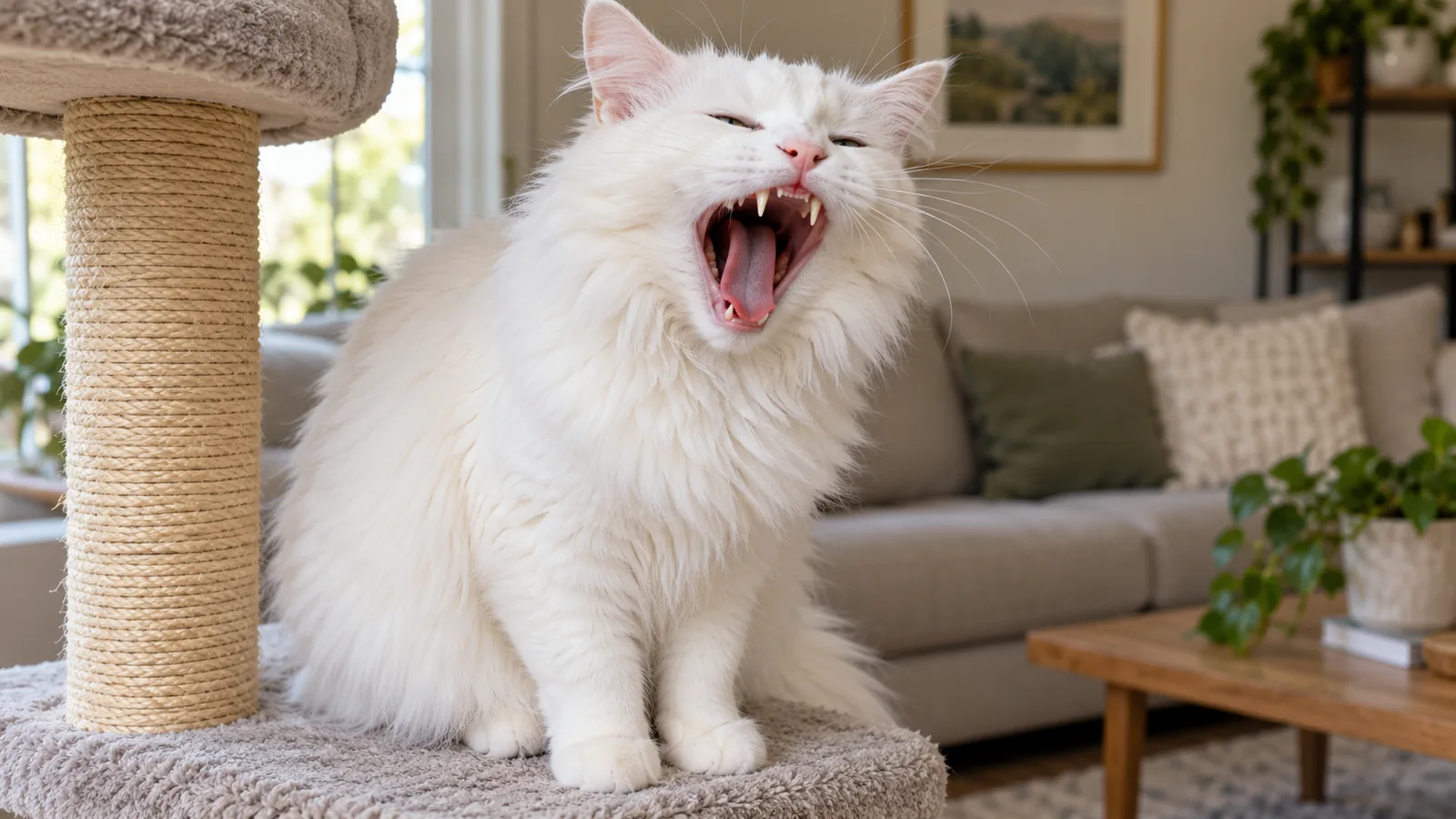
If your cat has started chewing on one side, swallowing kibble whole, or grooming less than usual, feline stomatitis is a cause worth ruling out, and it is nothing like ordinary tartar. The immune system reacts to plaque and to the teeth themselves, leaving the whole mouth raw and sore enough that eating becomes horribly painful. A cleaning alone rarely settles it. What helps most cats is removing the teeth the reaction is aimed at, and the majority go back to eating comfortably afterward.
We understand that the extractions are the part you dread, and that the real question is whether your cat can eat normally without those teeth. Before anything comes out, Cobb & Co. Veterinary Clinic in Elgin starts with full-mouth digital X-rays and an oral exam under anesthesia using customized protocols for each pet. Our comprehensive oral health assessment and treatment covers extractions, gum surgery, and laser therapy for the inflammation left behind, and you get the cost in writing before we begin. If stomatitis is on the table for your cat, go over the options with us before you decide anything.
Stomatitis in Cats: What You Need to Know
- Stomatitis is an immune overreaction inside the mouth rather than a hygiene failure, so a cleaning alone rarely calms it down.
- The signs are quiet and easy to read as ordinary aging, so the disease has usually been building for months before anyone notices.
- X-rays of every tooth, taken under anesthesia, separate stomatitis from periodontal disease and ensure no roots are left behind after extractions.
- Removing the teeth the reaction targets resolves or greatly improves the disease in most cats, and earlier treatment works better.
What Is Feline Stomatitis, and How Does It Start?
Feline chronic gingivostomatitis is an exaggerated immune reaction to ordinary substances in the mouth. What sets it apart from a dirty mouth is how far it reaches: the gums, the inner cheeks, the arches at the back of the throat, and the soft tissue holding each tooth in place can all be red, swollen, and ulcerated at the same time.
Plaque, the sticky film of bacteria that rebuilds on teeth every day, normally does its damage slowly and locally. In a cat with stomatitis, the body treats that film and the tooth surfaces under it as a threat, and the reaction does more damage than the bacteria would. Viruses seem to play a part too: many affected cats carry calicivirus, and herpesvirus turns up often enough to count as a contributing factor. No single cause has been pinned down, which is why treatment gets built around the individual cat instead of a standard protocol.
What Does Mouth Pain Look Like in a Cat?
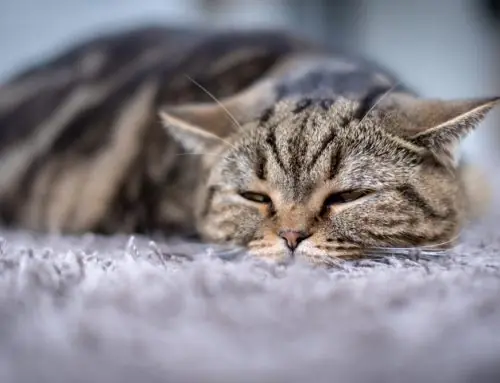
Mouth pain in a cat first shows up as a change in habit rather than anything that looks like pain. One odd meal means nothing on its own. What matters is a pattern that holds for more than a few days, or several small changes arriving together, and that pattern is worth an appointment even while your cat is still cleaning the bowl.
What You Might Notice at Home
- Hesitating at the bowl: Your cat walks up to dinner, looks at it, and backs away.
- Dropping food or chewing on one side: Kibble lands on the floor or gets swallowed whole, because chewing hurts.
- Drooling: Cats don't drool the way dogs do, so excessive drooling often points to something painful in the mouth, especially when the saliva is pink-tinged or leaves damp spots where your cat sleeps.
- Pawing at the mouth: Head shaking and rubbing a cheek along the furniture count too.
- Less grooming: The coat turns rough or matted, because grooming means using a sore mouth.
- Hiding, or a shorter fuse: Some cats withdraw, others get snappy when you reach for their head.
Annual nose-to-tail wellness exams are where we catch the early changes in the lining of the mouth, while it's still a red line along the gums and not an ulcer. If the mouth already looks sore or your cat's eating has changed, book a sick pet visit with us in Elgin rather than waiting for the annual exam.
Keep every human painkiller away from your cat while you wait. Acetaminophen and ibuprofen are toxic to cats, and one tablet can be fatal. Skip the toothbrush for now, too, because brushing a raw mouth hurts and teaches your cat to fight anything near their face. And if your cat stops eating altogether, call that day rather than watching it for a week: going even a day or two without food can set off a serious liver problem called hepatic lipidosis.
What We Look For During an Exam
The mucosa, the soft lining of the mouth, is often bright red, swollen, ulcerated, and bleeding where it's touched, with the worst of it at the back where the jaws meet. That level of pain limits what any cat will tolerate awake. Several of our team members are Certified Cat Friendly Professionals and Fear-Free Certified Professionals trained in low-stress handling, which matters because a sore cat who learns that hands mean pain gets harder to help at every visit.
How Is Stomatitis Different From Regular Gum Disease?
Both conditions start with red gums, which is why the two get mistaken for each other early on. Periodontal disease moves through defined stages, destroying the ligament and bone that hold individual teeth in their sockets. Stomatitis reaches wider than that, inflaming the lining of the whole mouth rather than only the tissue around the teeth carrying plaque. Plenty of cats have both at once: calculus, receding gums, and loose teeth from years of plaque, with the diffuse ulceration of stomatitis layered on top.
Not every sore mouth is stomatitis, either. Lesions that sit on one side only, bleed heavily, or look firm and raised rather than evenly inflamed raise the question of oral cavity tumors, and a tissue biopsy is the right next step whenever there's any doubt.
| Point of comparison | Periodontal disease | Feline stomatitis |
| What's inflamed | The attachment, ligament, and bone at specific teeth | The full lining of the mouth, including cheeks and throat |
| What drives it | Plaque bacteria working below the gumline | An immune reaction to plaque and to the teeth |
| Pain | Often quiet until advanced | Significant, often early on |
| Response to a cleaning | Real improvement, held with home care | Temporary at best |
| Usual treatment | Cleaning, with extractions where teeth are lost | Removing the teeth the reaction targets |
How Is Stomatitis Diagnosed in Cats?
Diagnosing stomatitis means scoring how much of the mouth is involved, seeing what the roots and jawbone look like under the gumline, and finding out whether a virus is in the mix. None of that scoring and imaging can be done on an awake cat with a sore mouth, so the exam and the X-rays happen together in one anesthetized visit.
- The oral exam: Every tooth surface, the cheeks, and the tissue behind the last molars get examined and scored while your cat is comfortably asleep.
- Complete-mouth X-rays: Full-mouth dental radiographs show what no awake exam can reach: resorptive lesions, where a tooth breaks down from the inside, root fragments from teeth that snapped years ago, and bone loss below the gumline, any of which can keep the inflammation going.
- Virus status: Feline calicivirus turns up in a large share of cats with severe oral inflammation, and a positive result changes how the months after treatment are planned. Feline herpesvirus stays in the body for life after the first infection and tends to resurface during stressful stretches. Testing for feline leukemia virus (FeLV) and feline immunodeficiency virus (FIV) rounds out the picture, since either one affects how well a cat's immune system handles surgery and recovery.
- Bloodwork before anesthesia: We recommend bloodwork ahead of any dental procedure, because kidney, liver, and red-cell values shape the anesthetic plan.
Dr. Cobb is an “AAHA Anesthesia Champion”, meaning she went through extra continuing education training just for anesthesia safety and monitoring.
What Are the Treatment Options for Feline Stomatitis?
Treatment comes down to two choices: medication that quiets the reaction for a while, and surgery that removes what the reaction is aimed at. Many cats need the surgical route eventually, and a small number with ongoing disease afterward move on to newer immune-modulating approaches.
Can Medication Alone Keep Stomatitis Under Control?
Medication buys comfort without changing the cause. Anti-inflammatories bring swelling down, pain medication makes eating possible again, antibiotics help when bacteria take advantage of ulcerated tissue, and antiviral drugs or supplements are worth trying where a virus is involved. Drugs lose ground as the disease progresses, though, and long stretches of steroid treatment carry risks of their own, including a less favorable surgical result later.
Soft, warmed food helps many cats through a flare. When a cat stops eating altogether, a temporary feeding tube delivers full nutrition and oral medication without asking a painful mouth to chew, and many cats tolerate one well.
Why Is Full-Mouth Extraction the Main Treatment?
Taking away every plaque-retaining surface takes away the trigger the immune system is reacting to. In published studies, full-mouth tooth extraction resolved the disease completely or improved it a great deal in 60 to 80 percent of cats, and the cats treated sooner in the course of the disease do best.
In some cats whose canines and incisors are healthy, only the premolars and molars come out, while cats with inflammation around the front teeth do better when every tooth is removed. A root tip left behind keeps the reaction supplied, so every site is checked with images before your cat wakes up.
In some cases, especially if the oral tissue is in especially bad shape or if your cat has other dental issues that increase the complexity of the surgery, we may recommend a board-certified veterinary dentist. We’ll always go over the options with you, make sure your questions are answered, and stay involved with your cat’s care even if you need to have the surgery at a specialty hospital.
What If Your Cat Is Still Sore After Surgery?
For the small group of cats still inflamed after every tooth is gone, adipose-derived mesenchymal stem cell therapy works on the immune response itself rather than on the mouth, and it's usually used in cats carrying active calicivirus or cats who spent years on medication first. A related approach uses MSC secretome, the signaling proteins stem cells release, instead of the cells themselves. Cryotherapy, which freezes inflamed tissue, has produced anything from temporary relief to lasting resolution, and newer antiviral and immune-modulating combinations are in use where stubborn calicivirus is involved.
Those aren't treatments we offer here. If your cat ends up in that group, we'll tell you plainly and help you get to a specialty or university hospital running those protocols.
What Does Recovery Look Like After Full-Mouth Extraction?
Most cats are eating again within a few days, and plenty eat with more appetite than they've had in months. The first week is about pain control and keeping the extraction sites closed.
- Pain control: Cats go home on medication that tapers as the tissue heals rather than stopping all at once.
- Antibiotics: Used when the mouth was infected or the extractions were extensive.
- Soft food: Canned or softened food while the gum tissue closes over the extraction sites.
- A recheck of every site: We make sure nothing has opened up and that the tissue is flat and pink instead of red and swollen.
- Adjustments as you go: Doses change based on how your own cat is doing, and cats carrying calicivirus may need continued immune-modulating treatment well past the surgery itself.
We offer same-day urgent care six days a week, so a site that opens up or a cat who stops eating again doesn't have to wait for next week. After we've closed and on Sundays, head to an emergency veterinary hospital in the Elgin area.
What Affects the Long-Term Outcome?
Timing is the piece families have the most control over.
| What shapes the outcome | Why it matters |
| Time inflamed before treatment | Years of inflammation and long steroid courses can both lower the odds of full resolution |
| Whether every root came out | A retained fragment keeps the reaction fed, and the mouth stays sore |
| Calicivirus carrier status | Carriers more often need continued immune-modulating treatment after surgery |
| Individual immune response | A minority of cats stay reactive for reasons nobody has fully explained, and need ongoing care |
Even cats who still need medication afterward are usually in far less pain than they were: back to grooming, and back to eating without hesitating first.
How Do You Keep a Cat's Mouth Healthy?
A cat's mouth is far easier to protect than to repair. Day-to-day dental health comes down to doing something most days rather than finding the perfect product: brushing with enzymatic toothpaste if your cat allows it, or water additives, dental powders, dental treats, and wipes for cats who want nothing to do with a toothbrush. Annual dental cleanings with X-rays of every tooth catch tooth resorption and early bone loss while they're still small problems.
Brushing doesn't prevent stomatitis, though. Home care does prevent the ordinary plaque-driven disease that affects most cats, but a cat whose body overreacts to plaque didn't get there because someone slacked on the toothbrush.
Questions Families Ask About Feline Stomatitis
Can my other cats catch stomatitis?
Stomatitis doesn't pass from cat to cat. The viruses linked to it can: calicivirus and herpesvirus travel in saliva, shared bowls, and mutual grooming, so a household with one affected cat often has others carrying the same virus. What those housemates usually don't have is the immune overreaction that causes the disease. Keeping the whole household current on their core vaccines helps, and we're glad to look at the other cats at the same visit.
Can a cat eat dry food with no teeth?
Most cats manage dry food well after a full-mouth extraction, because cats barely chew kibble to begin with and mostly swallow it whole. Some prefer canned food afterward and some go right back to crunching, and either is fine as long as your cat holds a healthy weight.
My cat is a senior. Is anesthesia too risky?
Age on its own isn't a reason to leave a painful mouth untreated, and many of the cats we treat for dental disease are seniors. Anesthesia for a dental procedure gets planned around the individual cat: bloodwork beforehand tells us how the kidneys and liver are holding up, monitoring runs continuously while your cat is asleep, and nerve blocks mean less anesthetic overall. There's risk on both sides of this decision, because chronic oral pain costs a senior cat appetite, weight, and grooming, and those losses add up quickly.
Weigh the Options for Your Cat's Mouth
Stomatitis is one of the oral conditions we can usually bring under control, and the odds are best before years of inflammation have gone by. Watching a cat struggle to eat is hard, and most cats come through this surgery eating more comfortably than they have in a long time. Book a dental consultation at Cobb & Co. Veterinary Clinic in Elgin, or get in touch first if you'd rather talk through what the exam and X-rays involve before you decide anything.